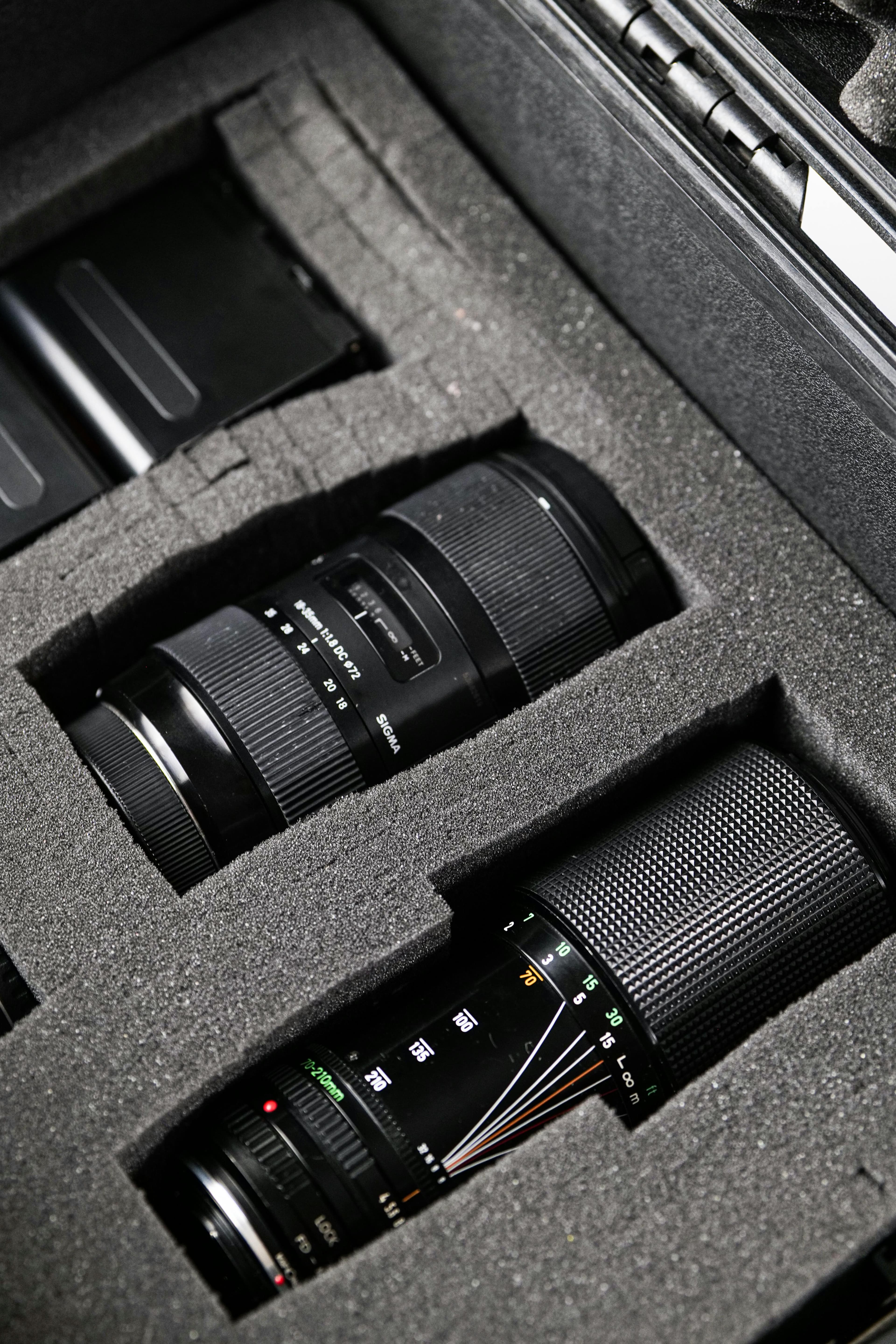

Traveling internationally with a professional camera requires an ATA Carnet — a customs document accepted in 90+ countries that eliminates duty deposits and gets you through border crossings without hassle. Without it, customs officers may hold your gear or demand a duty deposit worth thousands of dollars before you can enter.
Why Is Crossing Borders with Camera Gear Complicated?
When you arrive in a foreign country carrying professional camera equipment, customs officers have no automatic way of knowing whether you plan to sell it. From their perspective, expensive equipment entering the country is a potential import — and imports are taxable.
Without the right documentation, you may be asked to pay a duty deposit of 20–40% of your gear's value, leave equipment behind until you can prove it's being re-exported, or sit through lengthy inspections that blow your shoot schedule entirely. A single day of delays can cost thousands in crew time and missed opportunities.
What Do Customs Officers Actually Want to See?
Customs officers in most countries are looking for one thing: proof that your equipment is temporary. They want confirmation it came from somewhere else, belongs to you, and is leaving with you when you go.
Some photographers rely on a U.S. Customs CBP Form 4457 Certificate of Registration before departure. It works in limited cases but isn't universally recognized — many customs officers outside North America have never seen one. It also provides no financial guarantee to the destination country, which is ultimately what customs requires.
What Is an ATA Carnet and How Does It Work?
An ATA Carnet is an internationally recognized customs document that functions as a passport for your equipment. Administered in the United States by the USCIB (United States Council for International Business) and governed globally by the ICC World Chambers Federation, it's accepted in 90+ countries and territories and is specifically designed for professionals traveling with gear they intend to bring home.
When you arrive at a border with an ATA Carnet, the process is simple: the officer stamps your carnet, records the entry, and you move on. No duty deposits. No extended inspections. The carnet lists every piece of equipment in your kit — bodies, lenses, lighting, audio, hard drives — with serial numbers and values. That list gets stamped at each border crossing, both entry and exit.
For photographers working across multiple countries on a single trip, one carnet covers your entire itinerary.
What Camera Equipment Qualifies for an ATA Carnet?
Almost any professional camera equipment qualifies, including:
- Camera bodies (mirrorless, DSLR, cinema cameras)
- Lenses and filters
- Tripods, gimbals, and stabilizers
- Lighting equipment and modifiers
- Audio recorders and microphones
- Drones and accessories
- Laptops and hard drives used for production
The core requirement is that equipment must return to its country of origin. If you're selling gear abroad or leaving it behind, a carnet isn't the right document — but for any legitimate assignment or production, it almost always is.
Get Your ATA Carnet — Fast & Online
Skip the customs hassle and save thousands on tariffs. EasyCarnet prepares your ATA Carnet paperwork online — accepted in 90+ countries for equipment, trade shows, film gear, and more.
How Do You Get an ATA Carnet Before Your Trip?
You'll need an itemized gear list with serial numbers and approximate values, an application, a service fee, and a bond that guarantees potential duties to the destination country. The bond is not an out-of-pocket cost — it's a financial guarantee that's released when you return with your equipment.
Processing can be completed in as little as one business day. See our photography carnet service for a full walkthrough of what's required.
Don't Leave Without the Right Documentation
Customs delays and duty surprises are predictable and preventable. An ATA Carnet is the document every customs officer in every member country already knows how to process — and for photographers doing serious work abroad, it's the single most important thing in your bag before you board.
______
FAQ
Do I need an ATA Carnet to travel internationally with a professional camera? You are not legally required to have one, but an ATA Carnet is strongly recommended. Without it, customs officers in many countries can require a duty deposit of 20–40% of your gear's value before allowing entry.
Which countries accept ATA Carnets for camera equipment? ATA Carnets are accepted in 90+ countries and territories, including the EU, UK, Canada, Australia, Japan, and most major destinations for professional photography work. The full list is maintained by the ICC World Chambers Federation.
Can I add equipment to my ATA Carnet after it's been issued? No. The equipment list is fixed at the time of issue. Any gear not listed on the carnet will not be covered at the border, so it's important to include everything you plan to travel with before submitting your application.
How long does it take to get an ATA Carnet for camera equipment? Standard processing takes 3-5 business days. Same-day processing is available for straightforward kits submitted early in the day.
Does a CBP Form 4457 replace an ATA Carnet? No. A CBP Form 4457 is a U.S. domestic certificate of registration that helps prove you owned gear before leaving the country. It is not recognized as a customs document in most foreign countries and does not eliminate duty deposit requirements the way an ATA Carnet does.
_____________________
This content is provided for educational purposes only and should not be considered legal or customs advice. Regulations and requirements may vary by country and situation. For guidance specific to your needs, it is recommended to consult with a licensed Customs Broker or qualified trade professional.
Ready to Get Your ATA Carnet?
Join thousands of filmmakers, trade show exhibitors, and equipment professionals. Same-day processing available.

Micah Cohen
Micah Cohen is the founder of EasyCarnet, a company that helps businesses navigate international trade, customs, and tariffs. Working with hundreds of companies across global markets, Micah brings practical, on-the-ground insights into how trade policy affects real businesses.
LinkedIn →